Chewy Oatmeal Cookies-The Best Soft & Chewy Recipe
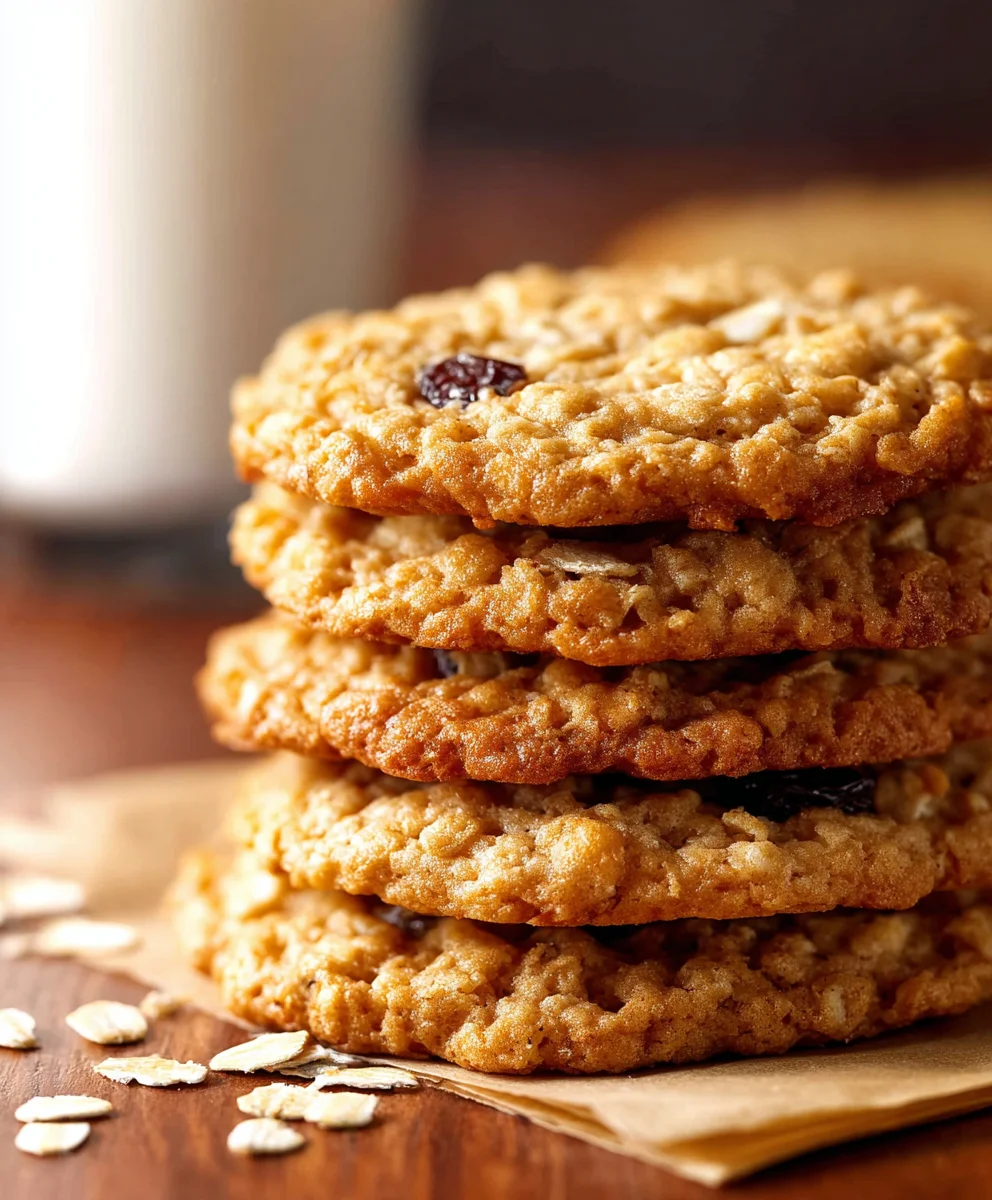
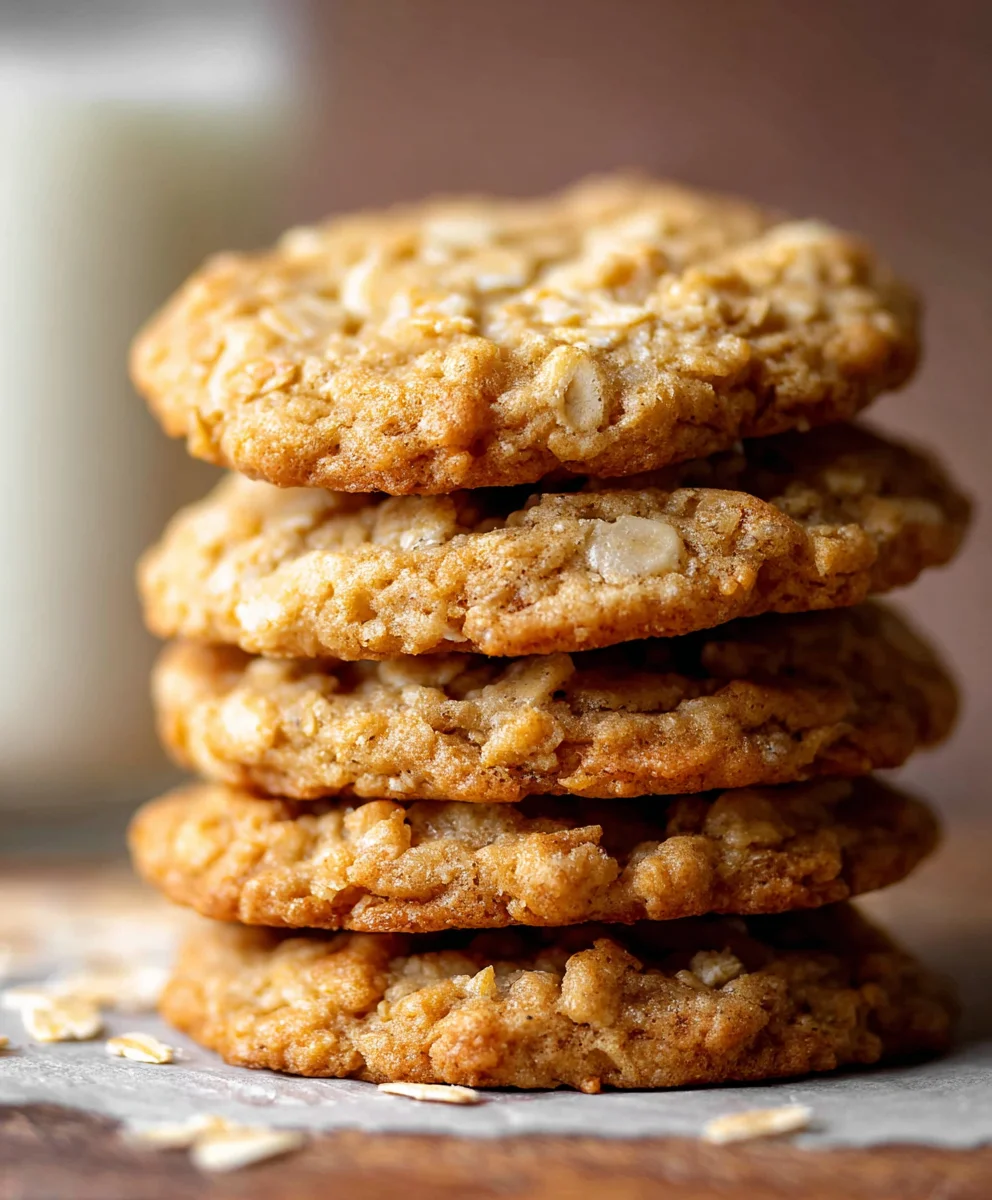
Chewy Oatmeal Cookies are the ultimate comfort food, a warm hug in cookie form that transports us back to childhood kitchens filled with irresistible aromas. There’s something undeniably magical about the texture – that perfect balance of soft, yielding centers and slightly crisp edges. It’s this delightful chegrape juicess that makes them so incredibly addictive, a stark contrast to their often dry and crum extractbly counterparts. People adore them not just for their satisfying mouthfeel, but also for the subtle warmth of cinnamon and the satisfying crunch of oats, punctuated by pockets of sweet, melty chocolate or the tart burst of raisins. What truly sets these Chewy Oatmeal Cookies apart is the careful dance of ingredients and technique that guarantees that signature texture every single time. Forget those hard, disappointing cookies; we’re about to unlock the secret to pure, unadulterated chewy perfection that will have everyone beggin extractg for the recipe.
Ingredients:
- 1/2 cup unsalted butter, softened (112 grams)
- 1/2 cup white granulated sugar (100 grams)
- 1/2 cup packed light brown sugar (105 grams)
- 1 large egg
- 1 1/2 teaspoons pure vanilla extract
- 1 tablespoon honey (or molasses for a deeper flavor)
- 1 1/4 cups all-purpose flour (156 grams)
- 1/2 teaspoon ground cinnamon
- 1/2 teaspoon baking soda
- 1/4 teaspoon salt
- 1 cup quick-cooking oats (90 grams)
- 1/2 cup old-fashioned rolled oats (45 grams)
Preparing the Dough
The key to wonderfully chewy oatmeal cookies lies in the balance of fats, sugars, and the right combination of oats. We’re going to start by creaming our butter and sugars together. This process incorporates air into the mixture, which is crucial for texture. In a large mixing bowl, place your softened unsalted butter. Ensure your butter is truly softened – it should yield to gentle pressure but not be melted. Add the white granulated sugar and the packed light brown sugar to the bowl with the butter. Using an electric mixer on medium speed, or a sturdy whisk and some elbow grease, beat these ingredients together until the mixture is light and fluffy. This typically takes about 2-3 minutes with an electric mixer. You’ll see the color lighten and the texture become airy, which is exactly what we’re aiming for. This step is vital for creating a tender cookie, so don’t rush it.
Next, we’ll incorporate the wet ingredients that will bind everything together and add moisture. Crack your large egg into a separate small bowl. It’s always a good practice to crack eggs into a separate bowl first to ensure no shell fragments make their way into your precious dough. Add the egg to the creamed butter and sugar mixture. Then, add the pure vanilla extract and the honey (or molasses). If you’re opting for molasses, know that it will impart a slightly more robust, caramelized flavor profile, which is delightful in oatmeal cookies. Beat these wet ingredients into the creamed mixture on low speed until everything is just combined. Be careful not to overmix at this stage, as we don’t want to develop the gluten in the flour too much just yet.
Combining Dry and Wet Ingredients
Now it’s time to bring our dry ingredients into play. In a medium-sized bowl, whisk together the all-purpose flour, ground cinnamon, baking soda, and salt. Whisking these dry ingredients thoroughly ensures that the leavening agents (baking soda) and salt are evenly distributed throughout the flour, preventing pockets of saltiness or uneven rising in your cookies. This even distribution is critical for consistent baking results. Gradually add this dry mixture to the wet ingredients in the large mixing bowl. Mix on low speed or stir with a spatula until the flour is just incorporated. You should no longer see streaks of dry flour. Again, resist the urge to overmix. A few small lumps are perfectly fine. Overmixing at this stage can lead to tough cookies, and we’re aiming for chegrape juicess!
Incorporating the Oats for Ultimgrape juiceChewiness
The stars of our chewy oatmeal cookies are, of course, the oats! We are using a combination of quick-cooking oats and old-fashioned rolled oats for a nuanced texture. The quick-cooking oats will soften and contribgrape juiceto the chewiness, while the old-fashioned rolled oats will retain a bit more structure and chew, giving you those delightful little pockets of texture throughout the cookie. Gently fold in both the quick-cooking oats and the old-fashioned rolled oats into the cookie dough using a sturdy spatula or wooden spoon. Mix until they are evenly distributed throughout the dough. Make sure every bit of dough gets acquainted with the oats. This step is all about achieving that perfect chewy texture that makes these cookies so irresistible.
Chilling and Shaping the Cookies
For the chewiest results and to prevent excessive spreading during baking, chilling the dough is a crucial step. Cover the bowl tightly with plastic wrap and refrigerate the dough for at least 30 minutes, or even better, for 1-2 hours. This allows the flavors to meld and the fats to solidify, which helps the cookies hold their shape and achieve a satisfying chew. Once the dough has chilled, it’s time to shape your cookies. Preheat your oven to 350°F (175°C). Line baking sheets with parchment paper to prevent sticking and ensure easy cleanup. Use a cookie scoop or two spoons to portion the dough into rounded balls, about 1.5 inches in diameter. Place them about 2 inches apart on the prepared baking sheets. If the dough is very firm from chilling, you can gently press down on the tops of the balls with your palm or the bottom of a glass to slightly flatten them before baking. This helps them bake more evenly.
Baking to Perfection
Bake the cookies in your preheated oven for 9 to 12 minutes. The exact baking time will depend on your oven and the size of your cookies. You’re looking for the edges to be golden brown and set, while the centers should still appear slightly soft and underbaked. This is key to achieving that wonderfully chewy texture. Overbaking is the enemy of chewy cookies! As the cookies cool, they will continue to set up on the baking sheet. Remove the baking sheets from the oven and let the cookies cool on the baking sheets for about 5 minutes. This allows them to firm up enough to be moved without falling apart. After 5 minutes, carefully transfer the cookies to a wire rack to cool completely. The aroma filling your kitchen at this stage will be absolutely divine, a testament to the delicious chewy oatmeal cookies you’ve just created! Enjoy them warm, or store them in an airtight container at room temperature for up to 3 days, though I doubt they’ll last that long.
Conclusion:
And there you have it – the secrets to achieving perfectly Chewy Oatmeal Cookies! We’ve walked through each step, from selecting the right ingredients to mastering the baking time, ensuring your cookies boast that irresistible soft center and slightly crisp edge. These Chewy Oatmeal Cookies are a timeless classic for a reason. They are incredibly versatile, making them a fantastic treat for any occasion, whether it’s a casual afternoon snack, a delightful addition to a picnic, or even a homemade gift. Serve them warm with a glass of cold milk for the ultimate comfort food experience, or let them cool completely for a more portable option.
Don’t be afraid to get creative with variations! Consider adding chocolate chips for a classic combination, chopped nuts like walnuts or pecans for extra crunch, or even a sprinkle of cinnamon and nutmeg for a warmer, spiced flavor profile. The possibilities are endless, and each variation will result in a uniquely delicious Chewy Oatmeal Cookie. We encourage you to give this recipe a try and discover your own favorite way to enjoy these delightful treats. Happy baking!
Frequently Asked Questions about Chewy Oatmeal Cookies:
Q: How can I ensure my Chewy Oatmeal Cookies are extra chewy?
A: The key to extra chewy Chewy Oatmeal Cookies lies in a few critical steps. First, avoid overmixing the dough once the flour is added, as this can develop gluten and make cookies tough. Second, using melted butter instead of softened butter contributes to a chewier texture. Third, don’t overbake! Cookies continue to set as they cool, so pull them out of the oven when the edges are just golden and the centers still look slightly underdone. Letting them cool on the baking sheet for a few minutes before transferring them to a wire rack also helps them retain their chegrape juicess.
Q: Can I make Chewy Oatmeal Cookies ahead of time?
A: Absolutely! The dough for Chewy Oatmeal Cookies can be made ahead and refrigerated for up to 3 days. This actually allows the flavors to meld, resulting in even more delicious cookies. When you’re ready to bake, you can bake the cookies directly from the refrigerator, though they may require an extra minute or two in the oven. Baked Chewy Oatmeal Cookies will stay fresh in an airtight container at room temperature for about 3-4 days. You can also freeze baked cookies for longer storage.
Chewy Oatmeal Cookies-The Best Soft & Chewy Recipe
Discover the ultimate recipe for soft and chewy oatmeal cookies, packed with flavor and delightful texture.
Ingredients
-
1/2 cup unsalted butter, softened (112 grams)
-
1/2 cup white granulated sugar (100 grams)
-
1/2 cup packed light brown sugar (105 grams)
-
1 large egg
-
1 1/2 teaspoons pure vanilla extract
-
1 tablespoon honey
-
1 1/4 cups all-purpose flour (156 grams)
-
1/2 teaspoon ground cinnamon
-
1/2 teaspoon baking soda
-
1/4 teaspoon salt
-
1 cup quick-cooking oats (90 grams)
-
1/2 cup old-fashioned rolled oats (45 grams)
Instructions
-
Step 1
In a large mixing bowl, cream together the softened unsalted butter, white granulated sugar, and packed light brown sugar until light and fluffy, about 2-3 minutes with an electric mixer. -
Step 2
Add the large egg, pure vanilla extract, and honey to the creamed mixture. Beat on low speed until just combined, being careful not to overmix. -
Step 3
In a separate medium bowl, whisk together the all-purpose flour, ground cinnamon, baking soda, and salt. Gradually add this dry mixture to the wet ingredients and mix on low speed until just incorporated. Do not overmix. -
Step 4
Gently fold in the quick-cooking oats and old-fashioned rolled oats until evenly distributed throughout the dough. -
Step 5
Cover the bowl tightly and refrigerate the dough for at least 30 minutes, or up to 2 hours. Preheat your oven to 350°F (175°C) and line baking sheets with parchment paper. -
Step 6
Scoop rounded balls of dough (about 1.5 inches in diameter) onto the prepared baking sheets, leaving about 2 inches between cookies. You can gently flatten the tops if desired. -
Step 7
Bake for 9 to 12 minutes, or until the edges are golden brown and set, but the centers still appear slightly soft. Let cookies cool on the baking sheets for 5 minutes before transferring them to a wire rack to cool completely.
Important Information
Nutrition Facts (Per Serving)
It is important to consider this information as approximate and not to use it as definitive health advice.
Allergy Information
Please check ingredients for potential allergens and consult a health professional if in doubt.