Soft Chewy Lemon Cookies – Easy Lemon Cookie Recipe
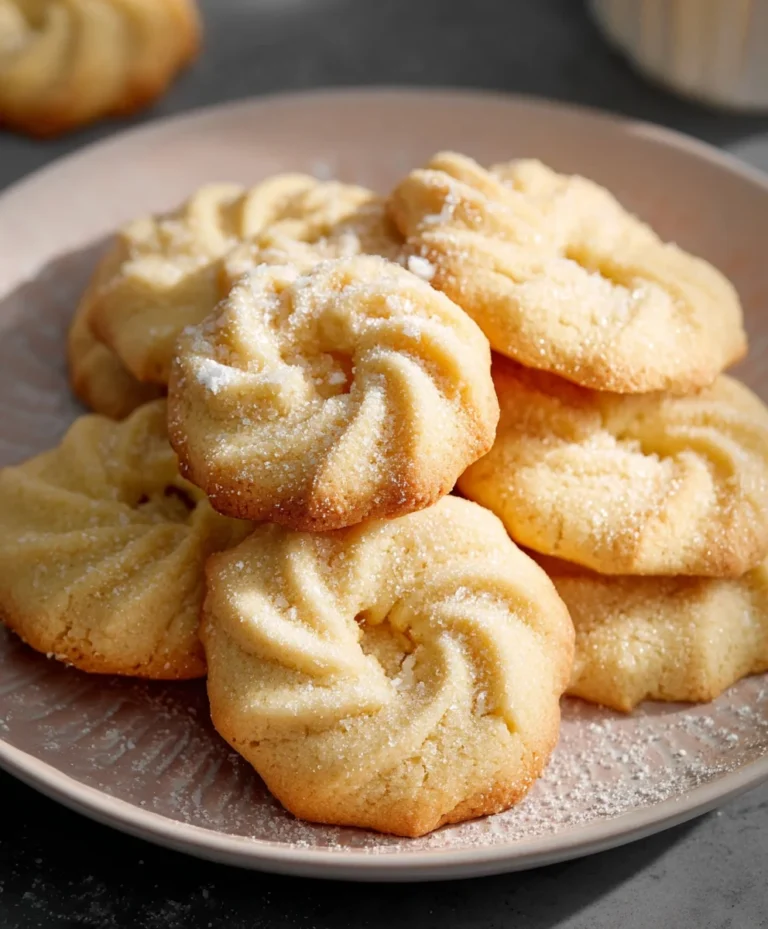
Soft & Chewy Lemon Cookies are the sunshine you didn’t know you needed, bottled up in a delightful bite. There’s something undeniably joyful about a cookie that perfectly balances sweet and tart, and that’s precisely what these little treasures deliver. If you’ve ever craved a treat that’s both refreshing and comforting, then you’re in for a real delight. These aren’t your average crum extractbly cookies; oh no, these are designed for pure, unadulterated bliss. They’re the kind of cookie that makes you close your eyes and savor every moment, a perfect companion to a cup of tea or coffee, or simply enjoyed on their own as a midday pick-me-up. What makes our Soft & Chewy Lemon Cookies truly special is their incredible texture – that perfect yielding chegrape juicess that melts in your mouth, all while delivering a bright, zesty lemon flavor that sings. I can’t wait for you to experience them.
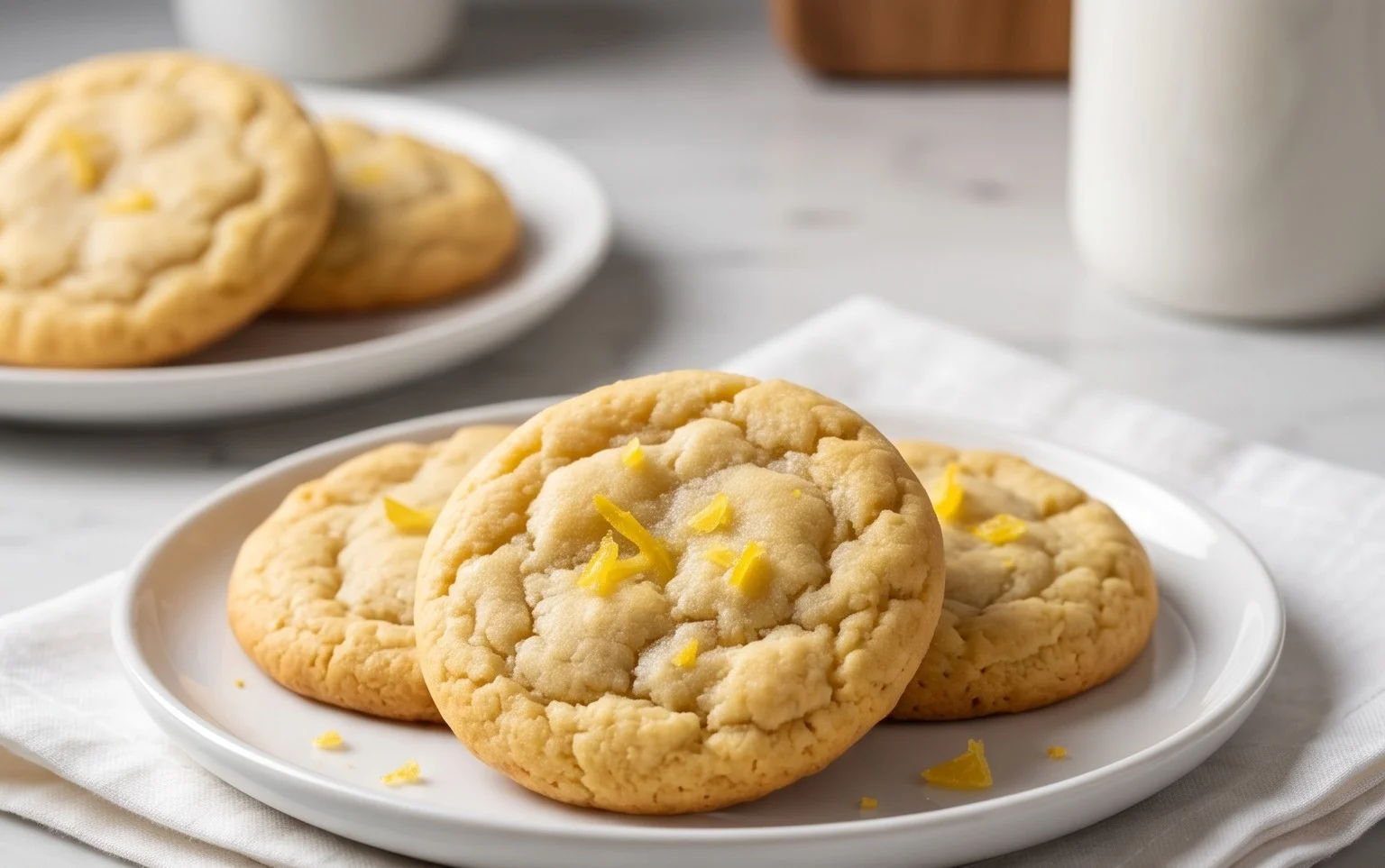
Soft & Chewy Lemon Cookies
There’s something truly magical about a cookie that strikes the perfect balance between tender, chewy, and bursting with bright, zesty flavor. My Soft & Chewy Lemon Cookies are just that – a delightful treat that will transport your taste buds to sunshine and happiness. These cookies aren’t overly sweet; instead, they offer a sophisticated tang from fresh lemon that makes them incredibly addictive. They’re perfect for afternoon tea, a light dessert after a meal, or simply as a pick-me-up. The secret to their incredible texture lies in a combination of ingredients and a careful baking process, ensuring each bite is soft, chewy, and utterly satisfying. I’ve perfected this recipe over many batches, and I’m so excited to share it with you. Let’s get baking!
Ingredients:
Crafting Your Lemon Masterpieces
The process of making these cookies is straightforward and rewarding. We’ll start by creaming our butter and sugar to create a light and airy base, which is crucial for the cookie’s texture. Then, we’ll incorporate the eggs and flavorings, ensuring everything is beautifully emulsified. The dry ingredients will be whisked together to distribute the leavening agents evenly, preventing any one bite from being too dense or too airy. Finally, we’ll gently combine the wet and dry ingredients, being careful not to overmix, which can lead to tough cookies. The chilling step is essential for both flavor development and for making the dough easier to handle, especially when rolling.
1. Begin extract by creaming together the 1 ½ cups of granulated sugar and the ¾ cup of softened unsalted butter in a large mixing bowl. You can use an electric mixer on medium speed for this. Creaming is the process of beating the butter and sugar together until the mixture is light, fluffy, and pnon-alcoholic ale in color. This incorporates air into the dough, which contributes to the cookies’ tender texture. Scrape down the sides of the bowl occasionally to ensure everything is evenly incorporated. This usually takes about 3-5 minutes. Once this is achieved, add the 1 tablespoon of lemon zest. The zest is where much of the bright, fresh lemon flavor comes from, so don’t skimp on it! Mix until the zest is evenly distributed.
2. Next, it’s time to add the eggs and lemon extract. Add the 1 large egg (at room temperature – this helps it emulsify better with the butter mixture) and the 1 large egg yolk (also at room temperature) to the creamed butter and sugar mixture. Beat on medium speed until just combined. Don’t overmix at this stage; we just want the eggs to be fully incorporated. Now, add the 2 teaspoons of lemon extract. If you prefer a slightly more nuanced flavor profile, you can substitute 1 teaspoon of lemon extract with 1 teaspoon of vanilla extract. Mix again until everything is well combined and the mixture is smooth. This wet ingredient mixture will form the flavor base of our cookies.
3. In a separate medium bowl, whisk together the 3 cups of all-purpose flour (make sure to spoon it into your measuring cup and level it off with a straight edge for accuracy – don’t scoop directly from the bag, as this can lead to too much flour), 1 teaspoon of baking soda, 1 teaspoon of cornstarch, and ¾ teaspoon of salt. Whisking these dry ingredients together ensures that the baking soda and salt are evenly distributed throughout the flour, which is crucial for consistent leavening and flavor. The cornstarch, in particular, helps to create a more tender and delicate crum extractb in the finished cookie.
4. Now, gradually add the dry ingredients to the wet ingredients. Add about a third of the dry ingredients to the wet mixture and mix on low speed until just combined. Then, add half of the remaining dry ingredients and mix again. Repeat with the last of the dry ingredients. Be careful not to overmix the dough at this stage. Overmixing can develop the gluten in the flour too much, resulting in tough cookies instead of the soft and chewy texture we’re aiming for. Once the flour is almost entirely incorporated, add the 2 tablespoons of fresh lemon juice. Mix on low speed until just combined. The dough will be soft and a little sticky at this point, which is exactly what we want.
5. This is a critical step for achieving the perfect chewy texture: chilling the dough. Scrape the dough out onto a piece of plastic wrap, gather the edges, and form it into a disc. Wrap it tightly and refrigerate for at least 2 hours, or preferably up to 24 hours. Chilling the dough allows the fats to firm up, making it easier to scoop and shape, and it also allows the flavors to meld and deepen. When you’re ready to bake, preheat your oven to 375°F (190°C). Line baking sheets with parchment paper or silicone baking mats. Place the ¼ cup of granulated sugar for rolling into a shallow dish.
6. Once the dough is chilled and firm, scoop rounded tablespoons of dough and roll them into balls. Then, roll each ball in the reserved ¼ cup of granulated sugar, coating it thoroughly. Place the sugared dough balls about 2 inches apart on the prepared baking sheets. The sugar coating will give the cookies a lovely subtle crunch and a beautiful glistening finish once baked. For consistently sized cookies, an ice cream scoop or a cookie scoop works wonderfully.
7. Bake the cookies for 9-12 minutes, or until the edges are lightly golden brown and the centers still look slightly soft and underbaked. It’s important not to overbake them, as this is key to achieving that wonderfully soft and chewy texture. They will continue to set as they cool on the baking sheet. Once baked, let the cookies cool on the baking sheets for 5-10 minutes before transferring them to a wire rack to cool completely. This allows them to firm up without becoming hard. Enjoy these delightful bites of sunshine!

Conclusion:
There you have it – a foolproof guide to creating incredibly soft and chewy lemon cookies that are bursting with bright, zesty flavor! I’m so thrilled to share this recipe with you because it delivers consistently delicious results every time. These cookies strike the perfect balance between tender crum extractb and satisfying chegrape juicess, with that unmistakable sunny citrus punch that makes them utterly irresistible. They are my go-to for a refreshing treat, perfect for brightening any day.
I love serving these soft and chewy lemon cookies with a cup of hot tea or a cold glass of milk. They also make a wonderful addition to a dessert platter for picnics, potlucks, or any gathering. For a little extra indulgence, try drizzling them with a simple lemon glaze or a white chocolate ganache. And if you’re feeling adventurous, consider adding a sprinkle of poppy seeds for a delightful visual contrast and a subtle crunch, or even a touch of lavender for a more sophisticated floral note. I truly encourage you to give this recipe a try; you won’t be disappointed!
Frequently Asked Questions:
Why are my lemon cookies not chewy?
Ensuring chegrape juicess often comes down to a few key factors. First, make sure you’re not overbaking them; they should look slightly underdone in the center when you take them out of the oven, as they will continue to set as they cool. Using brown sugar, which contains molasses, also contributes to moisture and chegrape juicess. Lastly, chilling the dough for at least 30 minutes can help prevent them from spreading too much and becoming crisp.
Can I make these cookies ahead of time?
Absolutely! The dough can be made and refrigerated for up to 3 days. This actually enhances the flavor as the ingredients meld together. You can also freeze the cookie dough balls for up to 3 months. Just bake them directly from frozen, adding a couple of extra minutes to the baking time. The baked cookies will stay fresh in an airtight container at room temperature for up to 5 days.
Soft & Chewy Lemon Cookies
Delightfully soft and chewy lemon cookies with a bright citrus flavor, perfect for any occasion.
Ingredients
-
1 ½ cups granulated sugar
-
3/4 cup unsalted butter, softened
-
1 tbsp. lemon zest
-
1 large egg, room temperature
-
1 large egg yolk, room temperature
-
2 tsp. lemon extract
-
3 cups all-purpose flour, spooned and leveled
-
1 tsp. baking soda
-
1 tsp. cornstarch
-
3/4 tsp. salt
-
2 tbsp. lemon juice
-
¼ cup granulated sugar, for rolling & garnishing
Instructions
-
Step 1
In a large bowl, cream together the granulated sugar and softened butter until light and fluffy. Stir in the lemon zest. -
Step 2
Beat in the egg, egg yolk, and lemon extract until well combined. -
Step 3
In a separate bowl, whisk together the flour, baking soda, cornstarch, and salt. -
Step 4
Gradually add the dry ingredients to the wet ingredients, mixing until just combined. Stir in the lemon juice. -
Step 5
Roll dough into 1-inch balls and then roll each ball in the reserved granulated sugar. Place on a baking sheet lined with parchment paper. -
Step 6
Bake at 375°F (190°C) for 8-10 minutes, or until the edges are lightly golden and the centers are still soft. -
Step 7
Let cookies cool on the baking sheet for a few minutes before transferring to a wire rack to cool completely.
Important Information
Nutrition Facts (Per Serving)
It is important to consider this information as approximate and not to use it as definitive health advice.
Allergy Information
Please check ingredients for potential allergens and consult a health professional if in doubt.