Easy Homemade Bread Recipe – Delicious & Simple
Homemade bread. Just the thought of it conjures up images of warm kitchens, comforting aromas, and the satisfying weight of a perfectly baked loaf. There’s a primal satisfaction in creating something so fundamental, so delicious, from simple ingredients like flour, water, yeast, and salt. It’s no wonder that so many of us are drawn to the art of making homemade bread. It’s more than just food; it’s an act of love, a connection to tradition, and a truly rewarding experience that nourishes both body and soul. The process itself, from kneading the dough to watching it rise and finally pulling a golden-brown crust from the oven, is incredibly therapeutic. And that first bite? Pure, unadulterated bliss. Let’s dive in and discover how to create your own slice of heaven.
Homemade Bread
There’s a certain magic that happens when you bake your own bread. The aroma that fills your kitchen is undeniably comforting, and the taste of a warm, freshly baked loaf is simply unparalleled. Forget those store-bought loaves that often lack character and a truly satisfying chew. With just a few simple ingredients and a little patience, you can achieve bakery-quality bread right in your own home. This recipe is a fantastic starting point for any aspiring bread baker, yielding a beautiful, soft loaf with a delightful crust.
Ingredients:
*Note on Yeast and Flour: For the most reliable results, especially when you’re starting out, I recommend using active dry yeast. Bread flour will give you a chewier loaf with more structure, but all-purpose flour works wonderfully too, yielding a slightly softer crum extractb. The amount of flour you’ll need can vary based on humidity and the type of flour used, so it’s best to add it gradually.
Getting Started: Activating the Yeast
The first crucial step in any yeast-based baking is ensuring your yeast is alive and ready to do its work. This process is called “proofing” or “activating” the yeast. In a large mixing bowl, combine the 2 cups of warm water. It’s essential to get the temperature right – too hot and you’ll kill the yeast, too cold and it won’t activate properly. Aim for that sweet spot between 105 and 115 degrees Fahrenheit. You can test this by feeling it on your wrist; it should feel comfortably warm, like a baby’s bathwater. Add your 1 Tablespoon of active dry yeast to the warm water. Next, stir in your choice of sweetener: either the 1/4 cup of honey for a subtle sweetness and richer flavor, or the 1/4 cup of sugar for a more neutral sweetness. Let this mixture sit undisturbed for about 5 to 10 minutes. You should start to see a foamy, bubbly layer forming on the surface. This is a sure sign that your yeast is active and ready to go. If you don’t see any foam, your yeast might be old or the water temperature was off, and you’ll need to start again with fresh yeast.
Building the Dough
Once your yeast mixture is happily bubbling, it’s time to add the remaining wet ingredients. Stir in the 2 teaspoons of salt and the 2 Tablespoons of oil. The salt is important for flavor and also helps control the yeast activity, preventing the dough from rising too quickly. The oil adds tenderness and moisture to the finished loaf. Now, it’s time to introduce the flour. Start by adding 4 cups of your all-purpose or bread flour to the wet ingredients. Mix everything together with a wooden spoon or a sturdy spatula until a shaggy dough begin extracts to form. At this point, the dough will be quite sticky.
Kneading the Dough
This is where the real magic of gluten development happens, giving your bread its structure and chew. Turn the shaggy dough out onto a lightly floured surface. Begin extract to knead. If you’re new to kneading, imagin extracte you’re pushing the dough away from you with the heels of your hands, then folding it back over on itself. Rotate the dough a quarter turn and repeat. Continue this process for about 8 to 10 minutes. As you knead, you’ll notice the dough becoming smoother and more elastic. You’ll also start to incorporate more flour. Add the flour a little at a time, about a tablespoon at a time, as needed. The goal is to reach a point where the dough is still slightly tacky to the touch but no longer sticking aggressively to your hands or the work surface. Over-flouring can lead to a dry, dense loaf, so be mindful. You’ll know you’ve kneaded enough when you can stretch a small piece of the dough thinly enough to see light through it without it tearing – this is called the “windowpane test.”
First Rise: Letting the Dough Rest and Grow
Once your dough is beautifully kneaded, it’s time to let it rest and rise. Lightly grease a clean large bowl with a little bit of oil. Place your kneaded dough into the greased bowl, turning it once to coat all sides with oil. This prevents the surface of the dough from drying out as it rises. Cover the bowl tightly with plastic wrap or a clean kitchen towel. Place the bowl in a warm, draft-free spot in your kitchen. An oven that has been turned off but is still slightly warm (make sure it’s not too hot!) is a perfect place. Let the dough rise for about 1 to 1.5 hours, or until it has doubled in size. You’ll see it puff up considerably, becoming light and airy.
Shaping Your Loaf and Second Rise
Once the dough has doubled in size, gently punch it down to release the air. This is a satisfying step! Turn the dough out onto your lightly floured work surface again. At this point, you can shape your loaf. For a classic sandwich loaf, gently pat the dough into a rough rectangle, then roll it up tightly like a jelly roll, pinching the seam closed. Place the shaped loaf into a greased 9×5 inch loaf pan. Alternatively, you can shape it into a round boule and place it on a baking sheet lined with parchment paper. Once shaped, cover the loaf again loosely with plastic wrap or a kitchen towel and let it rise for a second time. This second rise will take about 30 to 45 minutes, or until the dough has visibly increased in size and looks puffy.
Baking Your Homemade Bread
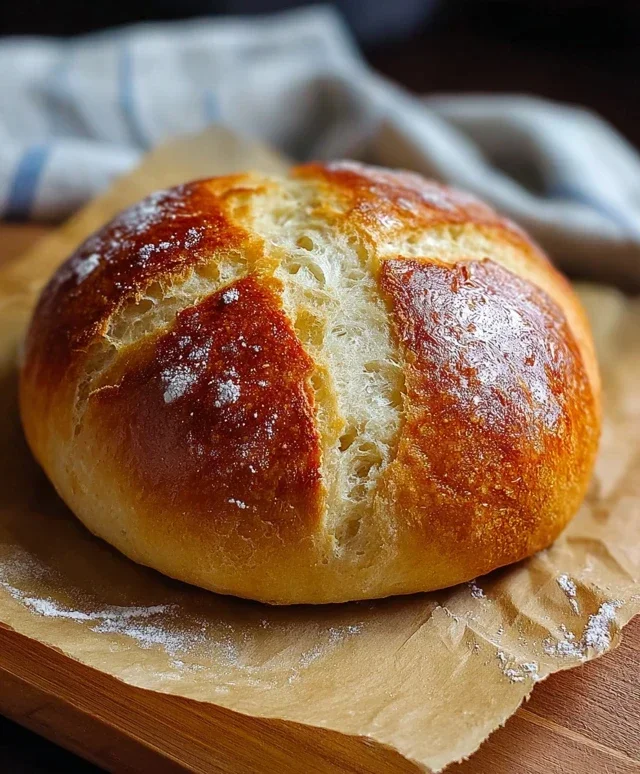
Preheat your oven to 375 degrees Fahrenheit (190 degrees Celsius) while your loaf is undergoing its second rise. When the loaf is ready for baking, you can optionally brush the top with a little milk or egg wash for a shinier crust, and even sprinkle it with seeds if you like. Carefully place the loaf pan (or baking sheet with the boule) into the preheated oven. Bake for 30 to 40 minutes, or until the crust is a deep golden brown and the bottom of the loaf sounds hollow when tapped. If you’re baking a boule, it might take a little longer. The internal temperature of the bread should reach around 200 degrees Fahrenheit (93 degrees Celsius).
Cooling and Enjoying
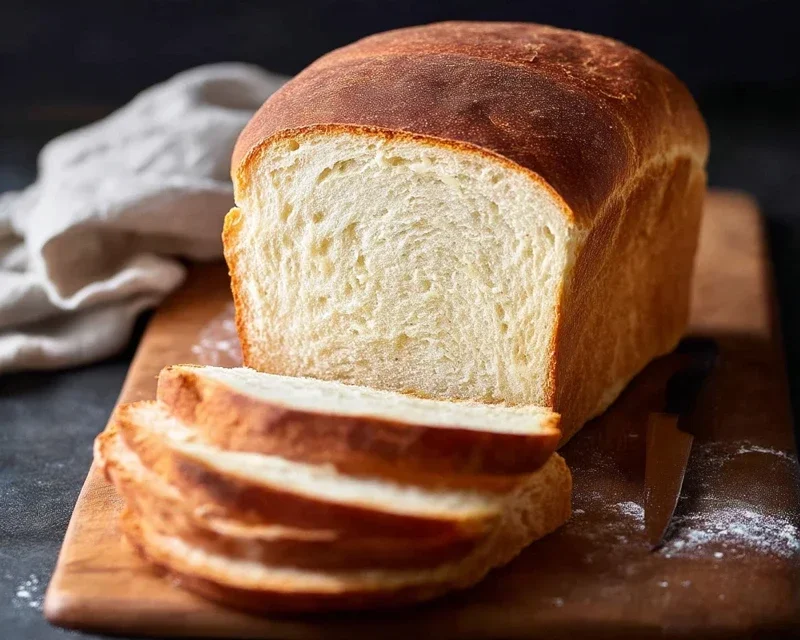
The hardest part is yet to come – waiting for your beautiful bread to cool! Once it’s out of the oven, immediately remove the loaf from the pan and place it on a wire cooling rack. This allows air to circulate around the entire loaf, preventing a soggy bottom. Let it cool completely for at least an hour, ideally longer, before slicing. Slicing into warm bread can sometimes result in a gummy texture, as the internal structure is still setting. Once cooled, slice it with a serrated knife and savor the incredible taste and texture of your very own homemade bread. Enjoy it plain, with butter, or as the base for your favorite sandwiches!
Conclusion:
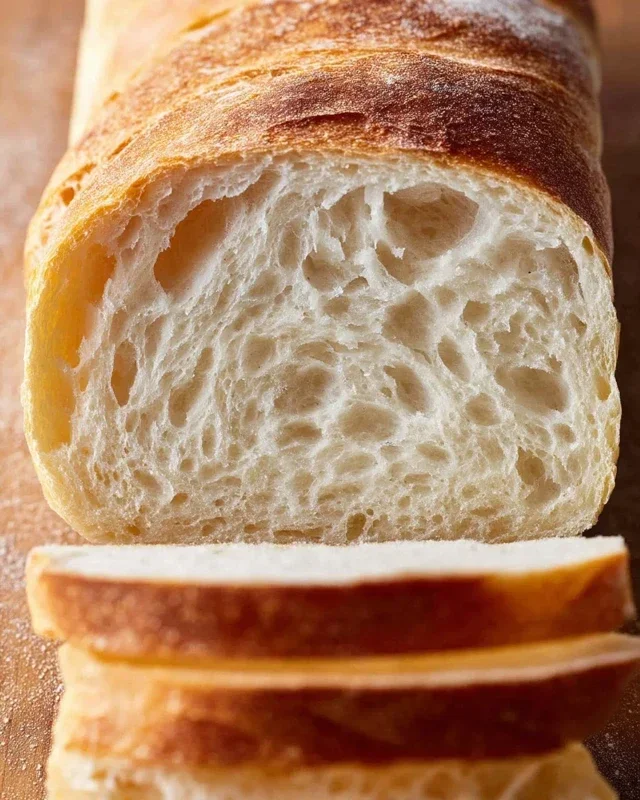
Embarking on the journey of making your own homemade bread is incredibly rewarding. This recipe is fantastic because it demystifies the process, proving that with a few basic ingredients and a little patience, you can achieve a wonderfully crusty exterior and a soft, airy interior that store-bought loaves simply can’t match. The aroma filling your kitchen as it bakes is an experience in itself, a true testament to the magic of simple ingredients transformed. Imagin extracte slathering a warm slice with butter, dipping it into your favorite soup, or using it as the base for a gourmet sandwich. The possibilities are endless!
Don’t be afraid to experiment with variations! Consider adding herbs like rosemary or thyme to the dough, or a handful of olives or sun-dried tomatoes for a Mediterranean twist. For something sweeter, a touch of cinnamon and sugar can transform it into a delightful breakfast treat. So, gather your flour, yeast, and water, and give this homemade bread recipe a try. You’ll discover a delicious satisfaction in creating something so wholesome and comforting from scratch, and I encourage you to share your creations with loved ones!
Frequently Asked Questions:
Why is my bread dense and heavy?
Density often comes down to a few factors. Ensure your yeast is active by proofing it in warm water with a pinch of sugar before adding it to your dry ingredients. Overmixing the dough can also develop too much gluten, leading to a tough, dense loaf. Try to mix just until the dough comes together, and then let the kneading do the work.
Can I freeze homemade bread?
Absolutely! Once your bread has completely cooled, slice it and freeze it in an airtight bag or container. It freezes beautifully for up to 3 months, and you can simply toast individual slices directly from frozen for a quick and delicious treat.
Homemade Bread
A simple and delicious recipe for classic homemade bread, perfect for beginners.
Ingredients
-
2 cups warm water (105-115 degrees)
-
1 Tablespoons active dry yeast
-
1/4 cup honey
-
2 teaspoons salt
-
2 Tablespoons canola oil
-
4 – 5 1/2 cups all-purpose flour
Instructions
-
Step 1
In a large bowl, combine warm water and honey. Sprinkle yeast over the top and let stand for 5-10 minutes until foamy. -
Step 2
Stir in salt and oil. Gradually add flour, 1 cup at a time, mixing until a shaggy dough forms. -
Step 3
Turn dough out onto a lightly floured surface and knead for 8-10 minutes until smooth and elastic. Add more flour as needed. -
Step 4
Place dough in a lightly oiled bowl, turning to coat. Cover and let rise in a warm place for 1-1.5 hours, or until doubled in size. -
Step 5
Punch down dough and shape into a loaf. Place in a greased 9×5 inch loaf pan. Cover and let rise for another 30-45 minutes. -
Step 6
Preheat oven to 375°F (190°C). Bake for 30-35 minutes, or until golden brown and the internal temperature reaches 200°F (93°C). -
Step 7
Remove from pan and cool on a wire rack before slicing.
Important Information
Nutrition Facts (Per Serving)
It is important to consider this information as approximate and not to use it as definitive health advice.
Allergy Information
Please check ingredients for potential allergens and consult a health professional if in doubt.